


Downtime is the silent nemesis of the manufacturing industry. It halts productivity, disrupts schedules, and results in financial losses that can be difficult to recover. Yet, the monetary toll is just one aspect of its impact. Prolonged or frequent downtime damages a manufacturer’s reputation and jeopardizes customer trust — a vital cornerstone of long-term success.
Missed deadlines, reduced output, or unfulfilled orders create a ripple effect, causing clients to seek alternative suppliers who promise greater reliability. In an industry where timing and precision are everything, even minor disruptions can lead to significant consequences. Manufacturers must therefore strive not only to minimize downtime but also to proactively prevent it.
A significant portion of downtime stems from avoidable issues. Neglecting equipment maintenance, providing insufficient training, or failing to implement robust data management systems all contribute to operational interruptions. When minor faults go unnoticed or unresolved, they can escalate into major breakdowns that halt production for extended periods. Such setbacks underscore the importance of prioritizing preventive measures across the production floor.
Preventive maintenance is a foundational strategy for combating downtime. Regularly inspecting, cleaning, and servicing equipment ensures that potential problems are addressed early, reducing the likelihood of sudden failures. Additionally, comprehensive employee training programs enable workers to identify and mitigate risks associated with machinery operation. Another crucial component is data-driven decision-making, supported by real-time monitoring tools provided by transducer manufacturers. These technologies provide actionable insights, enabling manufacturers to pinpoint vulnerabilities and optimize processes.
Manufacturers must also recognize the broader implications of downtime on their supply chains. Delays not only affect internal operations but can ripple outward to disrupt partners and distributors, compounding the issue. Proactive measures to reduce downtime not only stabilize production but also strengthen relationships with customers and stakeholders, fostering greater confidence in the manufacturer’s reliability.
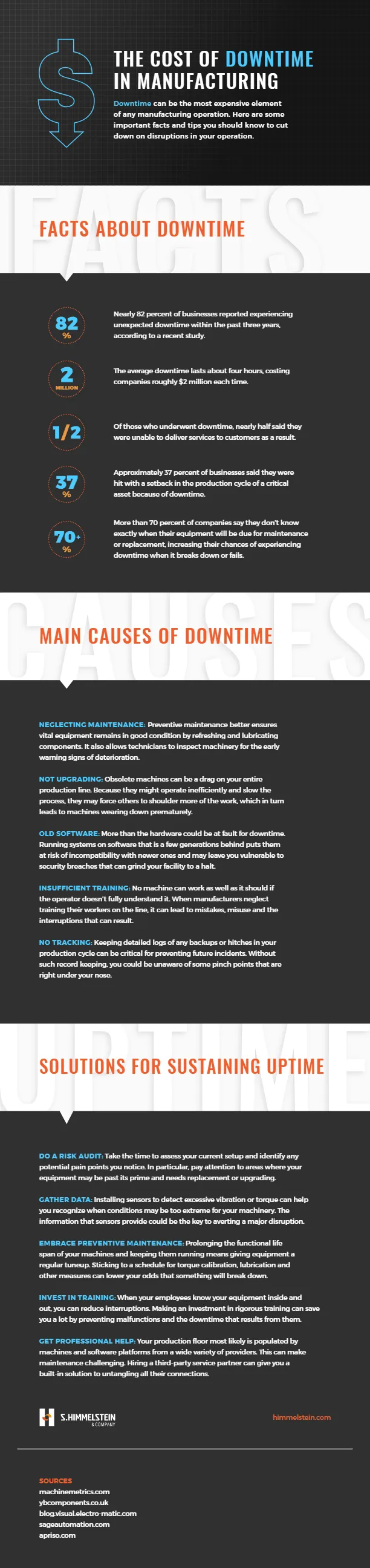
For actionable tips on reducing downtime and enhancing operational efficiency, refer to the accompanying infographic. By implementing these strategies, manufacturers can position themselves as dependable leaders in a competitive market.

Comments are closed.