
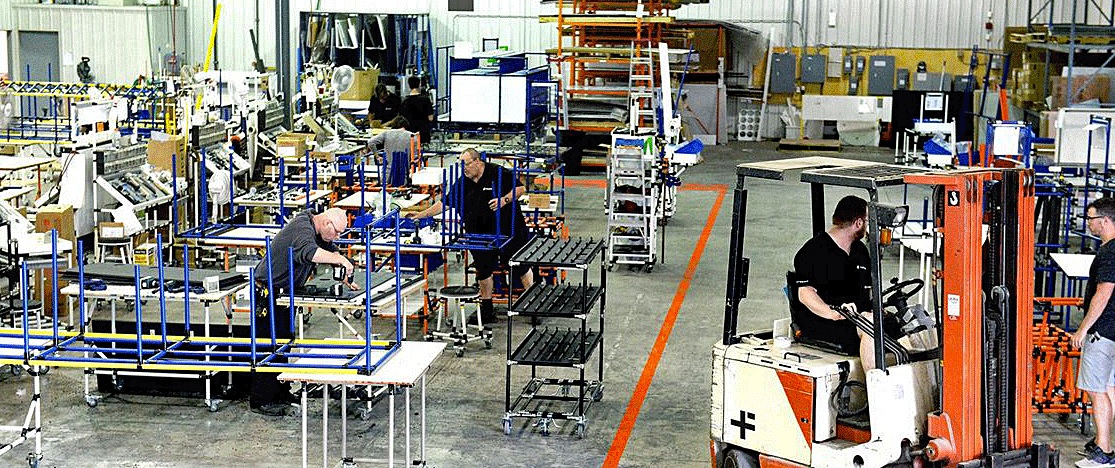

Material flow is often one of the least visible contributors to manufacturing performance, yet it influences nearly every aspect of production. When materials move efficiently from one stage of a process to the next, operations tend to run more predictably, equipment experiences less strain, and quality outcomes become easier to maintain. When flow becomes inconsistent, however, the effects can spread across an entire facility, impacting productivity, maintenance, and overall operational stability.
Unlike major equipment failures, material flow issues often develop gradually. Small changes in raw material properties, normal wear on equipment, or shifts in environmental conditions can slowly alter how materials behave within a system. These subtle variations may not trigger immediate alarms, but over time they can reduce efficiency and create bottlenecks that become increasingly difficult to manage.
The Hidden Nature of Flow Problems
One reason material flow challenges can be difficult to address is that they often remain concealed beneath otherwise normal operating conditions. Production lines may continue running, throughput targets may still be met, and equipment may appear to function properly. Meanwhile, instability can begin developing in hoppers, transfer points, feeders, or discharge areas.
Because these issues often emerge slowly, organizations may not recognize them until they begin causing larger problems. Increased maintenance activity, inconsistent product quality, unexpected downtime, and excessive material buildup are frequently signs that underlying flow issues have been present for some time.
By the time these symptoms become obvious, the root causes may be affecting multiple areas of the process.
Looking Beyond Individual Equipment
Material flow should be viewed as a system-wide concern rather than a challenge tied to a single machine. Even when individual pieces of equipment perform according to specification, overall process performance can suffer if materials do not transition smoothly between stages.
Areas where materials change direction, pass through connectors, move between conveyors, or transfer from one containment system to another are particularly sensitive. These transition zones often become points of restriction where flow variability begins to develop.
Poorly designed or worn transfer points can introduce interruptions that ripple throughout the production process, affecting equipment upstream and downstream.
The Importance of Process-Wide Evaluation
Solving material flow challenges requires a broader perspective than simply addressing visible symptoms. While issues such as buildup, inconsistent feeding, or bridging may draw attention, they are often indicators of larger system interactions.
Manufacturers can gain valuable insight by observing how materials behave throughout the entire production path. Startup procedures, shutdown sequences, and product changeovers often reveal conditions that are not apparent during steady-state operation.
Examining the complete process allows teams to identify relationships between equipment, material behavior, and operating conditions that may contribute to recurring issues.
Environmental Conditions Matter
Material performance is influenced by more than equipment design alone. Environmental factors can significantly affect flow behavior, particularly when handling powders, granules, and bulk materials.
Changes in humidity, temperature, and airflow may alter moisture content, particle interaction, or material density. These shifts can influence how materials move through storage vessels, feeders, and transfer systems.
Facilities that account for environmental variability during process design are often better positioned to maintain stable flow conditions and reduce the need for corrective actions later.
Small Improvements Can Deliver Significant Results
Improving material flow does not always require extensive equipment replacement or large capital projects. In many cases, targeted modifications can produce meaningful gains in performance.
Refining transfer points, improving connector flexibility, reducing unnecessary restrictions, and standardizing critical components can help create more consistent material movement throughout the process. These adjustments often reduce wear on equipment, lower maintenance demands, and minimize product loss.
Because material flow affects multiple aspects of production simultaneously, even modest improvements can generate benefits that extend across the entire operation.
Building a More Reliable Production System
Manufacturers that prioritize material flow often experience smoother operations, more predictable output, and fewer recurring disruptions. Rather than treating flow issues as isolated events, they view material movement as an interconnected process that influences overall system performance.
This broader perspective helps teams identify root causes more effectively, improve troubleshooting efforts, and create processes that are more resilient over time. As production environments become increasingly focused on efficiency and reliability, understanding material flow remains a critical part of achieving long-term operational success.
For additional insight into identifying and addressing flow challenges across production systems, explore the accompanying resource from industrial screen provider, ScreenerKing.


Comments are closed.