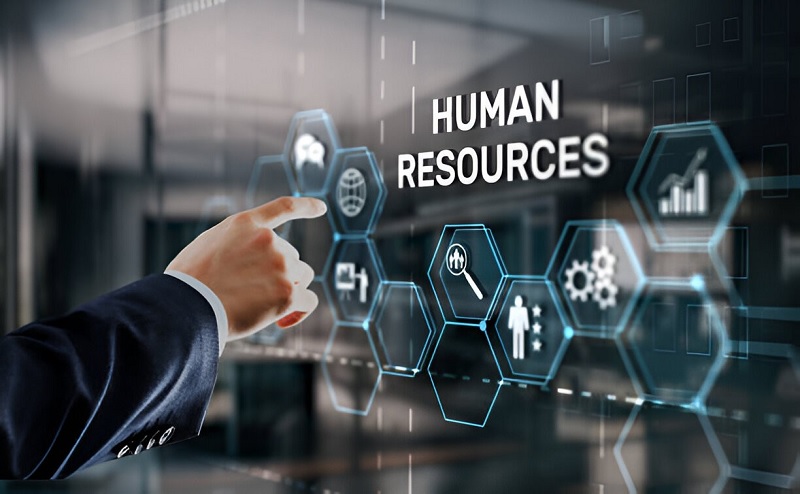

Historically, Human Resources was viewed as the department of paperwork, policies, and compliance. HR professionals spent their days drowning in tactical administration, tracking down missing timesheets, manually updating spreadsheets, and answering the same repetitive questions about basic company benefits. Today, the demands of the modern workforce have fundamentally shifted. Businesses expect their human resources teams to act as strategic partners that drive company culture, develop talent pipelines, and shape organizational growth.
To make this leap from administrative overhead to strategic powerhouse, companies must rely heavily on modern HR technology. By automating routine processes, centralizing fragmented data, and providing actionable insights, these platforms are quietly revolutionizing how businesses manage their most valuable asset on a day-to-day basis.
Eradicating the Paper Trail: The Shift to Centralized Data
Managing a growing workforce requires processing a staggering amount of data. From tax forms and direct deposit details to performance reviews and emergency contacts, the sheer volume of information can easily overwhelm a scaling business. When this data is scattered across physical filing cabinets, isolated spreadsheets, and endless email threads, everyday management becomes a chaotic exercise in data retrieval. Modern Human Resources Information Systems consolidate this fragmented landscape into a single, secure database.
Establishing a Single Source of Truth
The primary advantage of a unified platform is the establishment of a single source of truth. When a manager needs to verify an employee’s hire date or review their compensation history, the information is instantly accessible. This centralization drastically reduces the friction of daily operations.
Furthermore, when data is updated in one area of the system, it automatically cascades through the entire platform. If an employee changes their home address, that update seamlessly flows to the payroll processor and the healthcare benefits provider. This eliminates the need for HR staff to manually enter the exact same information across three different portals. This automated synchronization prevents costly payroll errors and ensures that critical administrative details never slip through the cracks.
Streamlining Talent Acquisition and Onboarding
The process of finding, interviewing, and integrating new talent is notoriously time-consuming. Without the right technology, hiring managers spend hours sifting through unqualified resumes and playing a tedious game of calendar coordination to schedule initial interviews.
The Efficiency of Applicant Tracking Systems
An Applicant Tracking System fundamentally streamlines the recruitment pipeline. Advanced software can instantly parse thousands of resumes, surfacing candidates who possess the specific skills required for the role. These systems automate the initial outreach, schedule interviews based on synced calendar availability, and gather feedback from the entire interview panel in one centralized dashboard. By removing the logistical friction from recruiting, hiring managers can focus their energy on evaluating a candidate’s actual aptitude and cultural fit.
Creating Frictionless Onboarding Experiences
The real test of workforce management begins the moment a candidate accepts an offer. First impressions matter deeply, and a clunky, paper-heavy onboarding process sets a poor tone for a new hire. HR technology transforms this critical transition period.
Before their first day, new employees can log into a secure portal to digitally sign tax documents, review the employee handbook, and select their healthcare benefits. Automated workflows notify the IT department to provision laptops and software licenses while simultaneously alerting the training team to schedule orientation sessions. This level of unseen orchestration ensures that new hires walk into their first day ready to engage with their team and their work, rather than spending hours filling out repetitive administrative forms in an empty conference room.
Empowering the Workforce Through Employee Self-Service
One of the most effective ways to simplify everyday workforce management is to distribute the administrative workload. Historically, employees had to route every minor request through the HR department. If someone needed a copy of their last pay stub to apply for an apartment lease, or wanted to know exactly how many vacation days they had accrued, they had to send an email and wait for a response.
Employee self-service portals shift this dynamic by giving workers direct autonomy over their own information. Through an intuitive desktop dashboard or mobile application, employees can independently update their direct deposit information, request paid time off, review their benefits coverage, and download year-end tax documents. By pushing these routine tasks down to the individual user, HR professionals are freed from serving as a transactional help desk. This self-service model not only reclaims thousands of hours of administrative bandwidth annually but also significantly improves the employee experience by providing instant access to vital personal information.
Modernizing Performance Management and Continuous Feedback
The traditional annual performance review is widely recognized as a flawed and stressful process. Managers spend weeks trying to remember a year’s worth of accomplishments and setbacks, while employees often feel the resulting feedback is outdated and disconnected from their current daily realities. HR technology replaces this antiquated ritual with dynamic, continuous performance management.
Modern platforms facilitate regular check-ins, allowing managers and direct reports to track progress against specific goals in real-time. These systems provide structured frameworks for 360-degree feedback, where peers can leave public or private recognition for a job well done immediately after a successful project launch. This continuous loop of feedback prevents minor performance issues from compounding over a twelve-month period and ensures that employees always know exactly where they stand. When promotion cycles or compensation reviews do arrive, managers have a rich, documented history of an employee’s trajectory, making the final decision-making process vastly more objective and straightforward.
Fortifying Compliance and Payroll Accuracy
Managing a workforce inherently involves navigating a complex web of labor laws, tax codes, and industry regulations. As businesses expand across different states or scale internationally, maintaining compliance becomes an exponentially difficult task. A simple misclassification of an employee or a miscalculated overtime payment can result in severe financial penalties and damaging legal disputes.
Robust HR software acts as a specialized compliance safeguard. These systems are constantly updated by their providers to reflect the latest changes in federal, state, and local labor regulations. Automated time and attendance modules accurately track employee hours, apply the correct overtime rules based on geography, and feed that data directly into the payroll engine. By removing manual data entry from the payroll process, organizations eliminate the primary source of costly calculation errors. Additionally, the software can automatically track mandatory certifications and training modules, proactively alerting management weeks before an employee’s essential credentials expire.
Elevating the Human Element of Human Resources
There is a common misconception that implementing sophisticated HR technology will turn a company into a rigid, algorithmic environment that treats employees like numbers on a spreadsheet. The reality is the exact opposite. When HR professionals are buried under a mountain of administrative tasks, they simply do not have the time to listen to employee concerns, coach struggling managers, or design meaningful workplace wellness programs.
Technology absorbs the transactional weight of workforce management so that human beings can focus on the relational aspects of the business. By automating payroll processing, streamlining compliance, and giving employees autonomy over their own data, HR technology clears the path for strategic work. It provides the data-driven insights needed to understand turnover trends and the operational efficiency required to scale gracefully. Ultimately, the greatest value of HR software is not found in the administrative tasks it completes, but in the time and energy it gives back to the people building the company.

Comments are closed.