
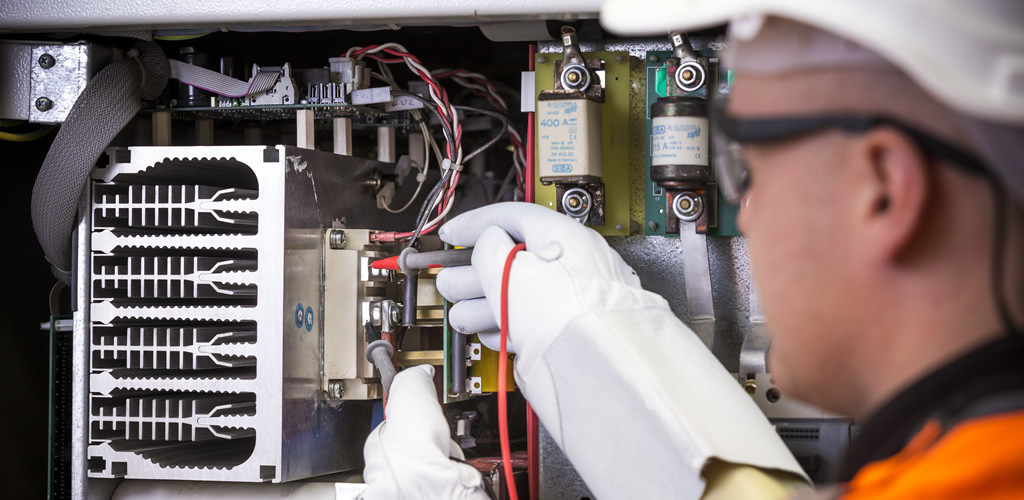

In industrial settings, maintaining the right temperature is crucial for the performance and longevity of machinery. Thermal management plays an essential role in predictive maintenance, helping to detect temperature irregularities before they lead to equipment failure. By using advanced techniques to monitor and control temperature, companies can improve efficiency, reduce downtime, and extend equipment life. Let’s explore how predictive thermal management works and its impact on industrial operations.
One of the most effective techniques in predictive maintenance is thermal imaging or thermography. Thermal cameras are used to detect infrared radiation emitted by objects, allowing maintenance teams to capture thermal images of equipment. These images can identify hot spots, temperature fluctuations, and areas of potential electrical or mechanical failure. By addressing these issues proactively—such as adjusting cooling systems or scheduling repairs—industries can prevent unexpected downtime and improve machinery longevity.
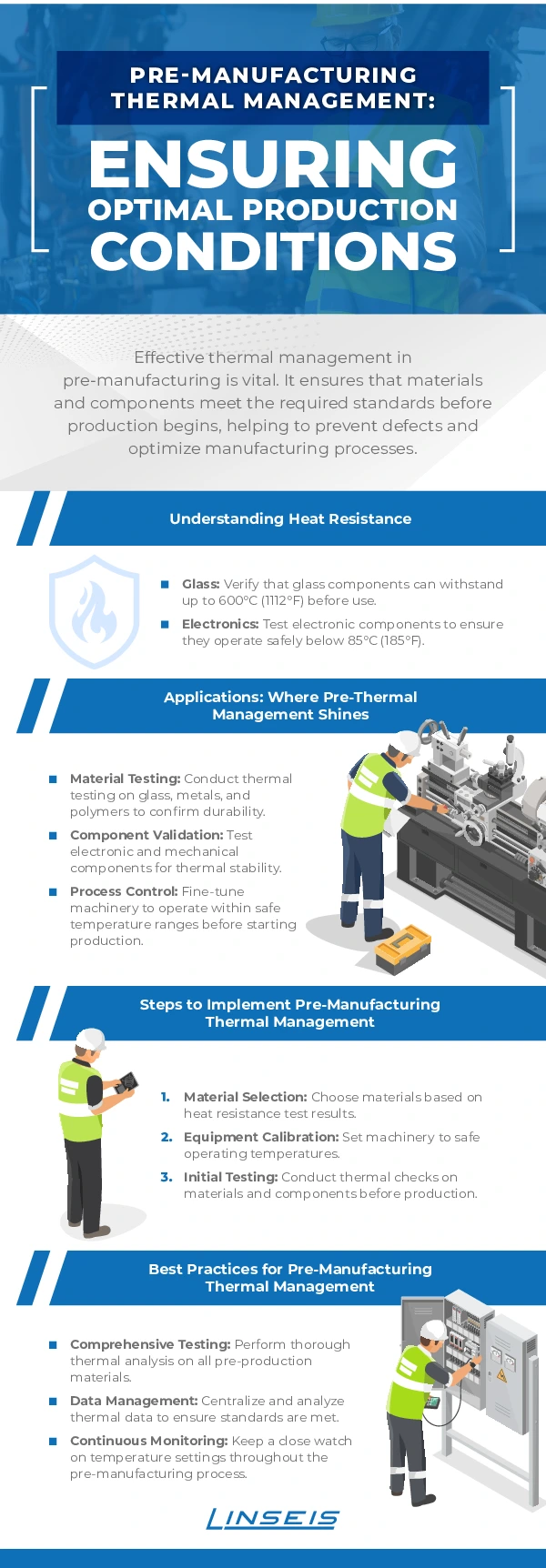
The heat resistance of materials used in industrial equipment is also critical. Materials like borosilicate glass are capable of withstanding temperatures up to 932°F (500°C), while advanced glass-ceramics such as PyroCeram® and NeoCeram® offer even higher heat resistance, up to 1470°F (800°C). These materials are essential in applications that demand high thermal stability, ensuring that critical components can function at optimal temperatures in extreme conditions.
In addition, electronic components in industrial machinery must operate within specific temperature ranges. Overheating can lead to malfunction or permanent damage, so continuously monitoring temperature levels is essential for maintaining the performance and reliability of these components. By keeping temperatures within safe operating limits, maintenance teams can avoid costly repairs and ensure the smooth functioning of industrial systems.
Another important element of predictive thermal management is regular inspections and data analysis. Thermal scans, when combined with other predictive maintenance technologies such as vibration and motor circuit analysis, offer a complete picture of the equipment’s health. This integrated approach allows for better predictions of potential issues and enables more efficient scheduling of maintenance.
To ensure the effectiveness of thermal management, maintenance staff must be trained in using thermal imaging tools and interpreting the data. Continuous education ensures teams stay informed about the latest thermal management technologies and best practices.
By incorporating thermal management into predictive maintenance, industries can optimize equipment performance, reduce downtime, and improve operational efficiency. With regular inspections, a solid understanding of material heat resistance, and trained maintenance staff, businesses can ensure their machinery operates at peak performance for longer periods.
For more information on the role of thermal management in predictive maintenance, please check the accompanying resource. Shared by Linseis, a provider of an industry respected dilatometer instrument.

Comments are closed.