


The construction industry is increasingly adopting lean methodologies to improve efficiency, reduce costs, and enhance overall project outcomes. By integrating advanced technology into these principles, construction firms can streamline processes, minimize waste, and deliver superior results. This article examines the concept of lean construction, its core principles, the benefits it offers, and the technologies that facilitate its implementation.
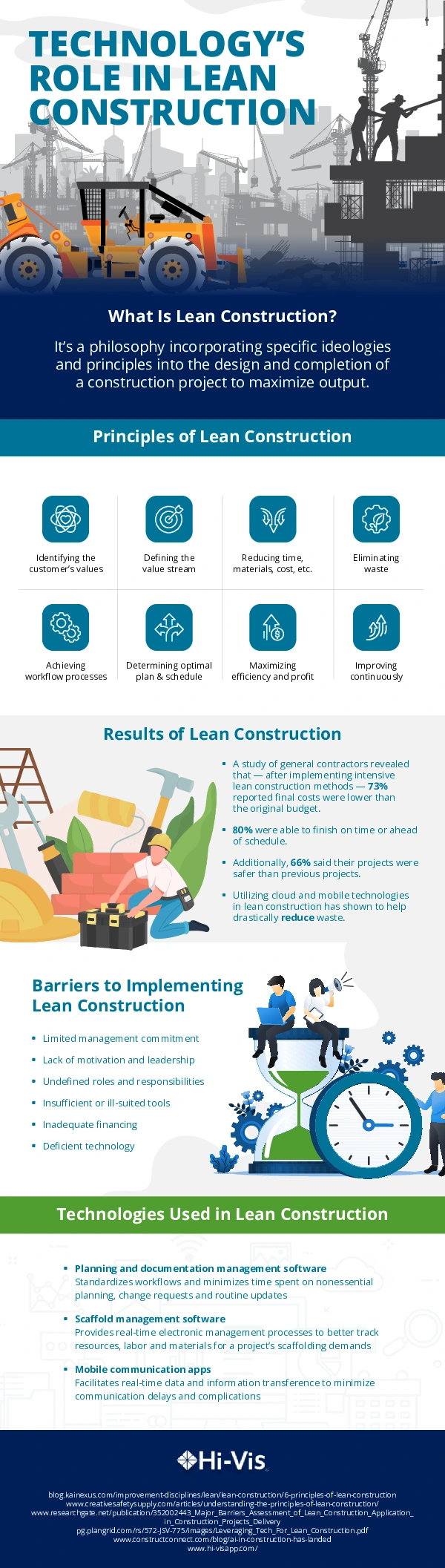
Lean construction is based on a philosophy that seeks to maximize value for the customer while minimizing waste throughout the construction process. Waste in this context includes not only excess materials but also inefficiencies in labor, transportation, and decision-making. Given the prevalence of projects that exceed budgets and miss deadlines, the adoption of lean principles is seen as a powerful tool to increase profitability, reduce delays, improve safety, and foster stronger relationships among stakeholders.
A key component of lean construction is understanding the true value from the customer’s perspective. This customer-centric approach helps define the project’s scope, ensuring that every aspect of the work aligns with the client’s expectations. By maintaining this focus throughout the project, construction teams can avoid scope creep, reduce unnecessary work, and ensure that resources are allocated where they are most needed.
The concept of value stream mapping is essential in lean construction. By clearly defining every step of the project, from materials to manpower, teams can identify inefficiencies and waste. This clarity allows organizations to eliminate non-value-adding steps, ensuring that every action contributes directly to the project’s success. As a result, lean construction leads to more efficient project execution, lower costs, and improved timelines.
Technological advancements are critical to the successful implementation of lean construction practices. One of the most valuable tools is scaffold inventory software that enhances project management. With mobile capabilities, this software allows real-time data sharing, enabling construction teams to make informed decisions, coordinate efforts more effectively, and address issues promptly. This technology helps reduce delays and improve the overall flow of the project.
In addition to collaboration software, automated scheduling powered by AI and machine learning is transforming the construction planning process. These technologies can rapidly analyze multiple scheduling scenarios, identifying the most efficient configurations and removing inefficiencies. This not only saves time but also ensures that the project remains on track, with optimized schedules that reflect real-time data and evolving project conditions.
Cloud-based software is another essential tool for digitalizing construction operations. By moving away from traditional paper-based processes, cloud technology allows for centralized access to project data, which can be updated in real time. This improves transparency, reduces errors, and provides all team members with the most current information, enabling them to make better decisions and mitigate risks. Furthermore, cloud solutions support cost management by offering greater predictability and tracking capabilities.
By embracing these technologies, construction companies can fully realize the benefits of lean construction, creating more efficient, cost-effective, and successful projects that meet the demands of today’s competitive market.

Comments are closed.