

As industries face mounting pressure to reduce carbon emissions and improve energy efficiency, waste heat recovery (WHR) is rapidly becoming a cornerstone of sustainable manufacturing. Instead of treating excess thermal energy as an unavoidable byproduct, forward-thinking manufacturers are now leveraging advanced heat recovery systems to transform waste into measurable value. The integration of technologies like industrial heat pumps (IHPs), Organic Rankine Cycles (ORC), and thermal energy storage solutions is redefining how energy flows through industrial ecosystems.
The Hidden Potential of Industrial Waste Heat
Every industrial operation, from cement production to petrochemical processing, generates massive amounts of heat. Unfortunately, a significant portion—often exceeding 50%—is lost into the environment. This wasted energy not only represents a financial inefficiency but also contributes to unnecessary greenhouse gas emissions. By capturing and reusing this heat, industries can cut fuel consumption, lower operating costs, and decrease their carbon footprint without compromising productivity.
Major Sources of Recoverable Heat
-
Flue gases emitted from boilers, kilns, and smelters
-
Cooling water discharged from heat exchangers and compressors
-
Condensate streams from steam-driven processes
-
Thermal radiation from hot surfaces, metals, and materials
These waste heat sources differ in temperature and quality, requiring customized recovery approaches to extract maximum efficiency.
Industrial Heat Pumps: Driving Decarbonization with Thermal Efficiency
The Role of Industrial Heat Pumps
Industrial heat pumps (IHPs) are revolutionizing how plants reuse low-grade waste heat. They operate by capturing thermal energy at lower temperatures and upgrading it to higher, usable temperatures through mechanical compression or absorption cycles. This allows factories to repurpose heat from cooling systems or exhaust streams for applications like process heating, drying, or space conditioning.
Benefits of Industrial Heat Pumps in Manufacturing
-
Carbon Reduction: By minimizing fossil fuel combustion for heat generation, IHPs directly reduce CO₂ emissions.
-
Operational Savings: They significantly lower fuel and electricity demand, leading to measurable cost reductions.
-
Energy Resilience: Heat pumps help stabilize industrial energy consumption and enhance reliability during energy price fluctuations.
-
System Integration: They can be paired with renewable energy sources such as solar thermal or geothermal systems for hybrid energy solutions.
Modern heat pumps can achieve a Coefficient of Performance (COP) between 3 and 7, meaning they deliver 3–7 units of heat for every unit of electricity consumed. This level of efficiency is vital for industries targeting deep decarbonization.
Organic Rankine Cycle (ORC): Turning Waste Heat into Power
The Mechanics of ORC Technology
The Organic Rankine Cycle is a closed-loop system that converts waste heat into electricity using an organic fluid with a low boiling point. Unlike traditional steam turbines, ORC systems can operate effectively at lower temperature ranges (80–350°C), making them ideal for industries where exhaust heat is not hot enough for steam recovery.
Industrial Applications of ORC Systems
-
Cement and Glass Manufacturing: Capturing exhaust heat from kilns to generate auxiliary power.
-
Refineries and Petrochemical Plants: Utilizing process heat to drive on-site electricity generation.
-
Steel Mills: Recovering blast furnace and sinter cooler heat.
-
Pulp and Paper Industry: Reusing flue gas heat for electricity generation.
By converting waste heat directly into electrical energy, ORC systems allow industries to reduce grid dependency, improve energy autonomy, and enhance sustainability metrics.
Thermal Energy Storage: The Bridge Between Efficiency and Flexibility
As industries adopt renewable energy and waste heat systems, thermal energy storage (TES) becomes essential to manage intermittent supply and demand. TES systems store excess heat during peak production and release it when needed, ensuring continuous process operation and optimized energy balance.
Common TES Technologies
-
Sensible Heat Storage: Uses materials like water, oil, or molten salts that absorb and release heat as temperature changes.
-
Latent Heat Storage: Employs phase-change materials (PCMs) that store heat during melting and release it during solidification.
-
Thermochemical Storage: Involves reversible chemical reactions to store and release high-density heat energy.
Integrating TES with WHR systems helps industries achieve load shifting, demand management, and greater overall process efficiency.
Digitalization and AI: Optimizing Heat Recovery Systems
The next evolution of waste heat recovery is digital. With the help of AI, IoT sensors, and digital twins, manufacturers can monitor, predict, and optimize energy flows in real time. These systems continuously analyze temperature gradients, pressure levels, and heat losses to fine-tune recovery efficiency and prevent downtime.
Smart Energy Management Benefits
-
Predictive Maintenance: AI algorithms forecast equipment failures before they occur.
-
Dynamic Optimization: Real-time adjustments to maximize system performance and efficiency.
-
Data-Driven Insights: Continuous performance benchmarking across facilities.
-
Reduced Human Intervention: Automation minimizes manual oversight and operational errors.
As a result, digitalized WHR systems ensure consistent efficiency, reliability, and ROI visibility, aligning sustainability with profitability.
The Business Case for Waste Heat Recovery
Transitioning to waste heat recovery isn’t just an environmental choice—it’s a strategic business decision. With rising fuel costs and carbon taxation policies, companies that fail to decarbonize risk losing competitive advantage. On the other hand, implementing WHR systems leads to:
-
Payback Periods of 3–5 Years due to substantial energy savings
-
Carbon Credit Opportunities under emission trading systems
-
Enhanced ESG Performance for stakeholders and investors
-
Compliance with Global Net-Zero Frameworks such as ISO 50001 and Science-Based Targets Initiative (SBTi)
Companies that proactively integrate waste heat recovery will be better positioned to meet future environmental regulations while strengthening their bottom line.
The Road Ahead: From Linear to Circular Manufacturing
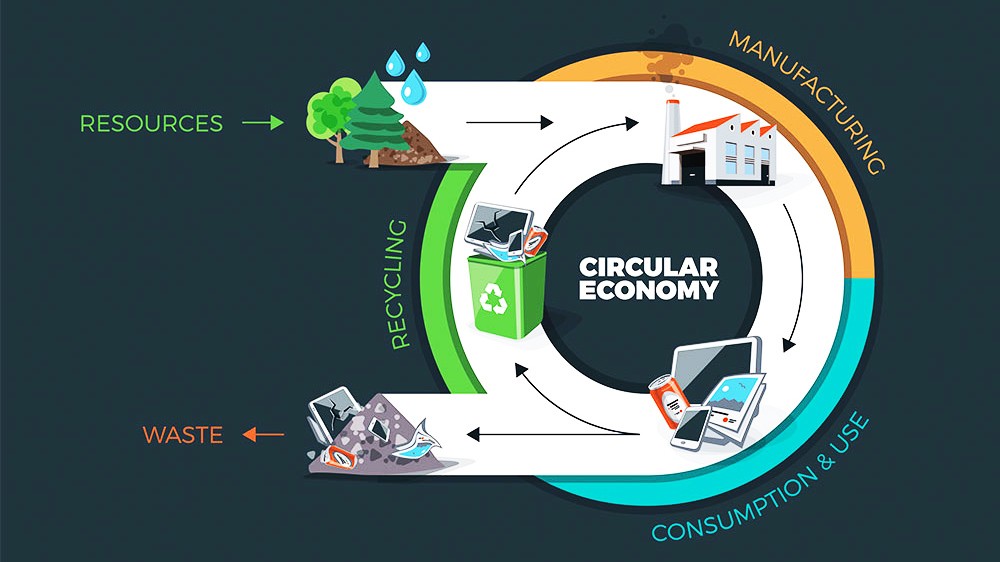
The ultimate vision for modern industry is circular manufacturing, where waste from one process becomes the input for another. Waste heat recovery is a critical enabler of this transformation, closing the energy loop and supporting resource-efficient production ecosystems. Future innovations will likely combine WHR with hydrogen production, CO₂ capture, and advanced materials, creating fully integrated systems for zero-emission industrial operations.
FAQs on Industrial Waste Heat Recovery
1. What industries can benefit most from waste heat recovery systems?
Sectors with high thermal loads such as steel, cement, glass, paper, food processing, and petrochemicals benefit most from WHR technologies.
2. How does waste heat recovery reduce carbon emissions?
By reusing heat that would otherwise be lost, industries burn less fuel, leading to significant reductions in CO₂ emissions and energy-related pollutants.
3. What is the typical ROI period for a waste heat recovery project?
Most projects achieve full payback within 3–5 years, depending on system complexity, energy costs, and operational scale.
4. Can waste heat recovery systems work with renewable energy sources?
Yes. WHR systems can be integrated with solar thermal or geothermal systems to create hybrid renewable setups that further enhance efficiency.
5. What are the main challenges in implementing waste heat recovery?
Key challenges include high upfront costs, technical integration with existing systems, and identifying suitable temperature ranges for recovery.
6. Are low-temperature heat sources useful for energy recovery?
Absolutely. With the advancement of industrial heat pumps and ORC technology, even low-grade heat below 100°C can now be effectively reused.
7. How can digital tools improve WHR efficiency?
AI-based monitoring and predictive analytics ensure continuous optimization, minimizing energy loss, and maximizing return on investment.

Comments are closed.